Our Projects:
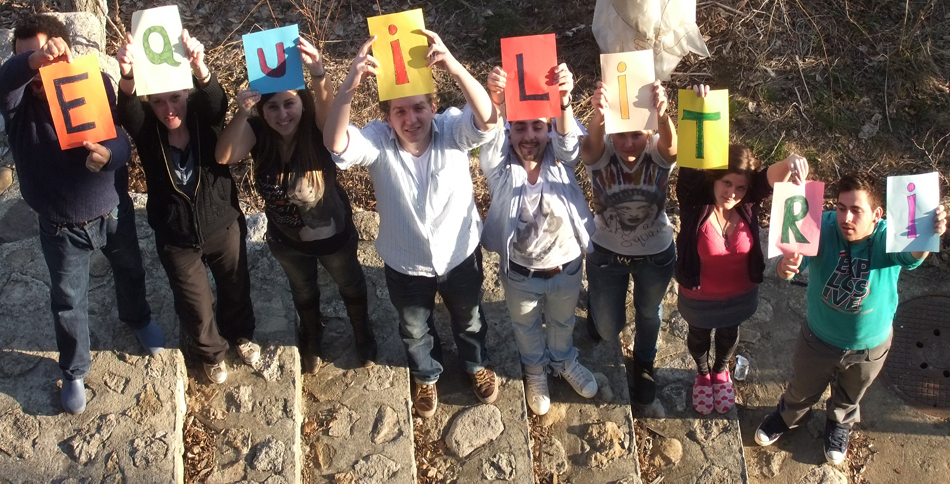
EquiliTRI is a journey to discover yourself, who you are and who you can be. It is a Personal Development Method developed over 15 years of work and testing in Asia and Europe.
It has created success stories and successful projects, and it is promoted by an international team across Europe and Asia. If we had to define EquiliTRI, we would say that it is a self-manageable Personal Development method based on the principles of balance, simplicity and flexibility.
Why EQUILITRI? Most people believe that in order to achieve success, we must follow success stories. Although that idea has merit, and on some levels can be a part of your achievements, the problem with it is that not everybody is the same. Just because one guy went from rags to riches after a life full of hard work and sorrow does not mean that his way of becoming successful will work for you. Those success stories depend on personality traits you might not have, a socio-economic context that might be different, and opportunities and challenges that are always different.
Another major factor that is surely different is what we call emotional drive. It consists of desires, motivations, personal experiences and other motivational factors. Also, success and happiness are two different things. While success may look the same for everyone, what makes one person happy will be different from what makes you happy.
The bottom line is that if any given success system is not working for you personally, you need to find your own. EquiliTRI allows you to do just that. EquiliTRI is not a success recipe; it offers you a set of tools to build your own success & happiness recipe.
Most Personal Development methods leave you dependent on tools, books, courses, coaches and guides, which you sometimes also have to purchase. EquiliTRI is largely self-manageable.
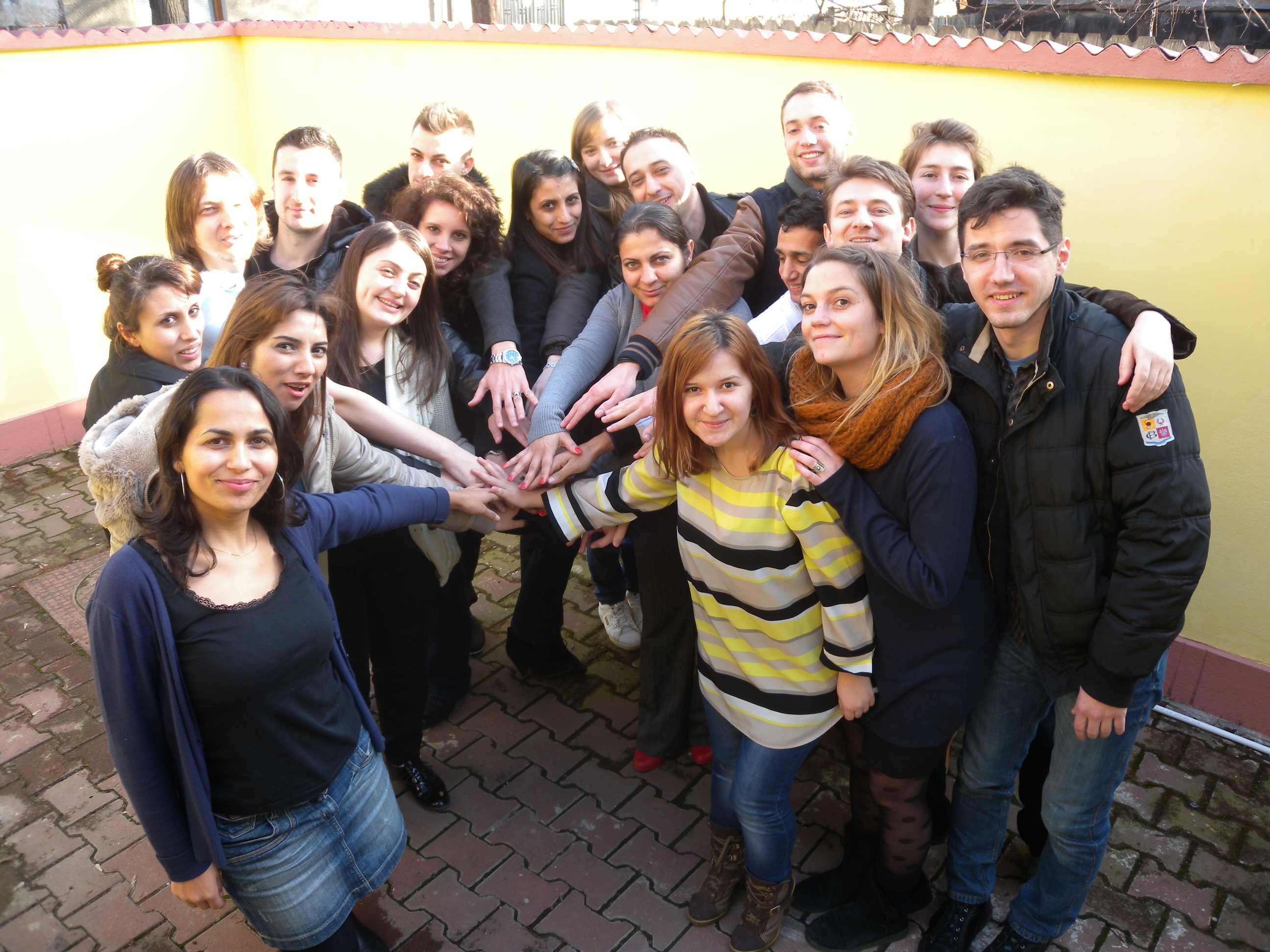
It is a project on cyber hate against Roma people. The project was implemented by CADDRU in partnership with La Voix des Rroms from France and financed by the Council of Europe through the European Youth Foundation.
The goal of the project is to raise awareness of this phenomenon and to develop the abilities of 16 young people to fight hate speech online actively.
The motivation for choosing this subject was that the Romanian online space is filled with racial comments, because it is easy to hide your identity on the internet.
The project had two main activities:
First, a training on combating online hate speech against Roma took place in Bucharest on 25–27 February 2013. Its aim was to make the bloggers involved in the project feel responsible for moderating their texts and comments, and to help commenters understand the importance of their opinions and the need to keep them objective.
Second, an online flash mob, “Want online respect? Respect others!”, took place on 15 March 2013. It was promoted a month earlier on all social media, and at the specified moment all online users could post a personal statement against hate speech online.
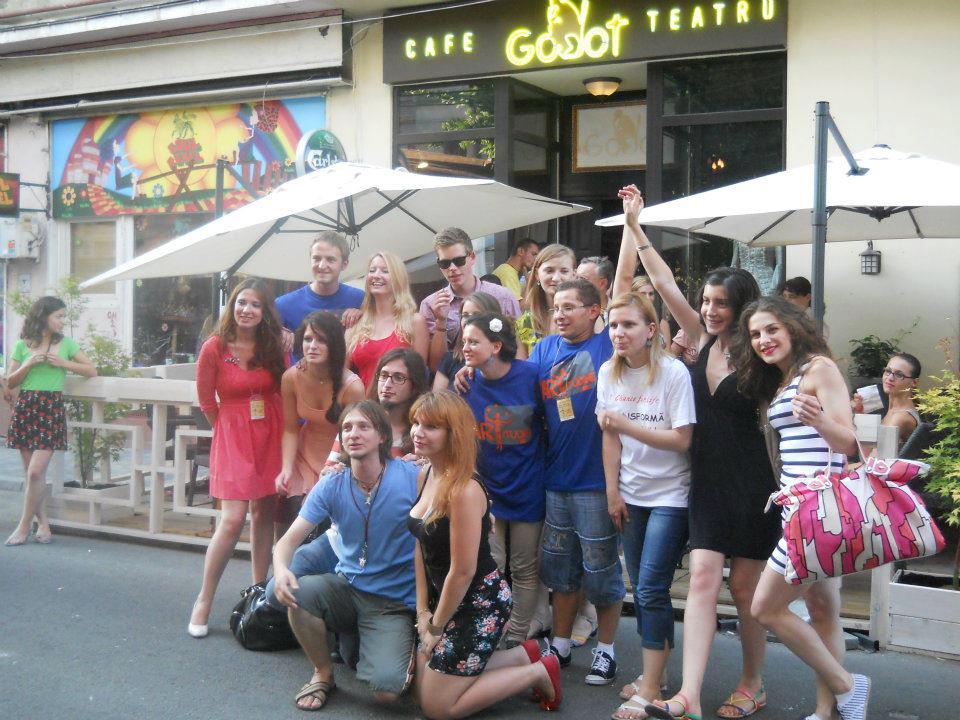
The EVS project took place from June to October 2012 and involved 10 young people from Estonia, Turkey, Armenia and Slovakia, who volunteered at different children’s centres in Bucharest. They organised sports events, workshops and games, and took part in various educational activities with the children. The young people developed through intercultural experiences, working with disadvantaged children, volunteering and non-formal education.
The children’s centres that benefited were Child Protection 4, Child Protection 6 and the Chance for Life Foundation.
The partners of C.A.D.D.R.U. were: Continuous Action NGO from Estonia, Mugla Genclik ve Spor II Mudurlugu from Turkey, Federation of Youth Clubs of Armenia from Armenia, CA C.A.R.D.O. from Slovakia and European Intercultural Forum from Germany.
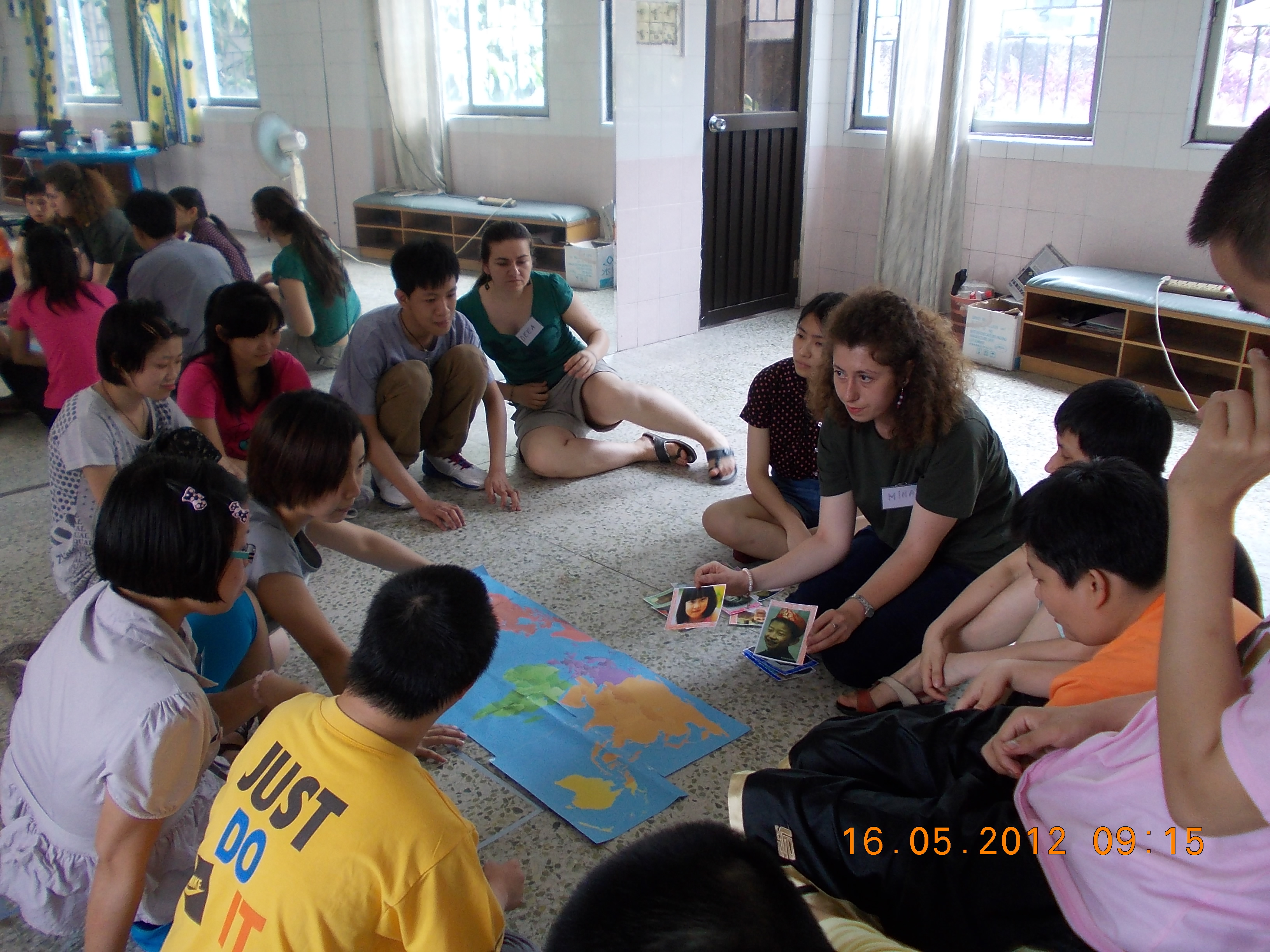
Volunteers across Frontiers took place from 1 May to 3 June 2012 in Guangzhou, China. The aim of the project was to overcome linguistic and cultural barriers among young people using non-formal education methods. 10 EVS volunteers with fewer opportunities from Romania worked with children and youngsters aged 6–20 with different needs, such as ADHD or intellectual disabilities. Participants promoted the values of volunteering and non-formal education and fostered solidarity and mutual understanding among young people. The volunteers and CADDRU developed a brochure with tested non-formal methods that can be used when language is a barrier.
The participants were brought together by three Romanian sending organisations: CADDRU Romania, OSA (Arad Students Organisation) and Chance for Life Foundation, and three Chinese hosting organisations: Tong De House Keeping Centre, Bei Du Xing Social Centre and Yang Ai – Special Children Parents’ Club.
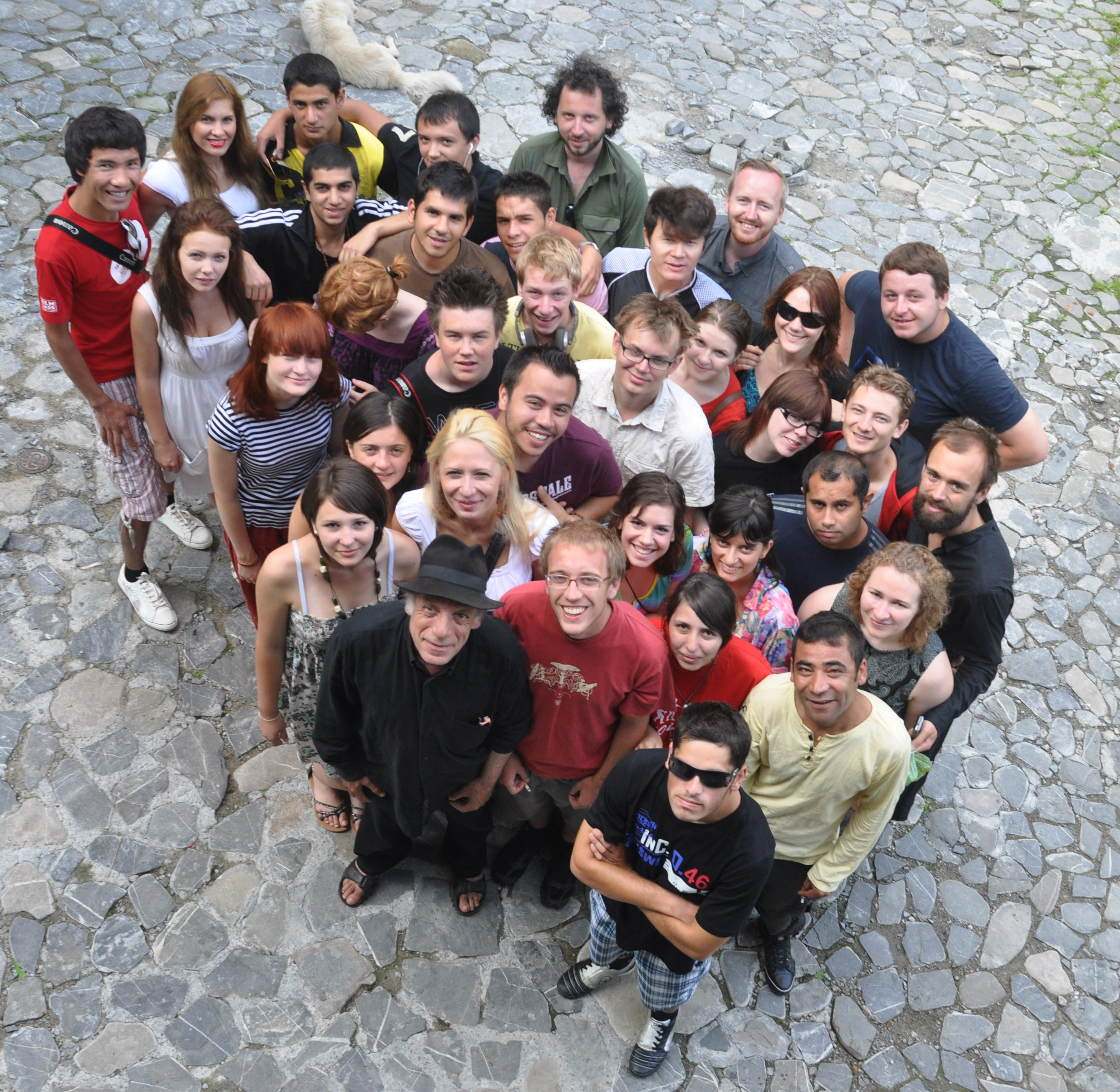
The project took place from 26 July to 9 August 2010 in Moreni, Dâmboviţa County, and gave young people from disadvantaged environments the opportunity and the means to express their lifestyle and everyday problems through photographs. The participants were 37 young people from Norway and Romania coming from difficult social environments such as Roma communities, rural areas of Romania and immigrants in Norway from Afghanistan, Syria, Latvia and Iran. The participants used the method of PhotoVoice to show the problems they face in their everyday life: marginalisation, discrimination, social exclusion and intolerance.
The partners of CADDRU and Antirasistisk Senter were the non-governmental organisation Party of Pro-Europe Roma, the representative organisation of the Roma minority in the Romanian Parliament, the National Council for Combating Discrimination and the National Agency for Roma, an institution subordinate to the Romanian Government. The main sponsor was Năpăriş Pension from Moroeni, Dâmboviţa County.
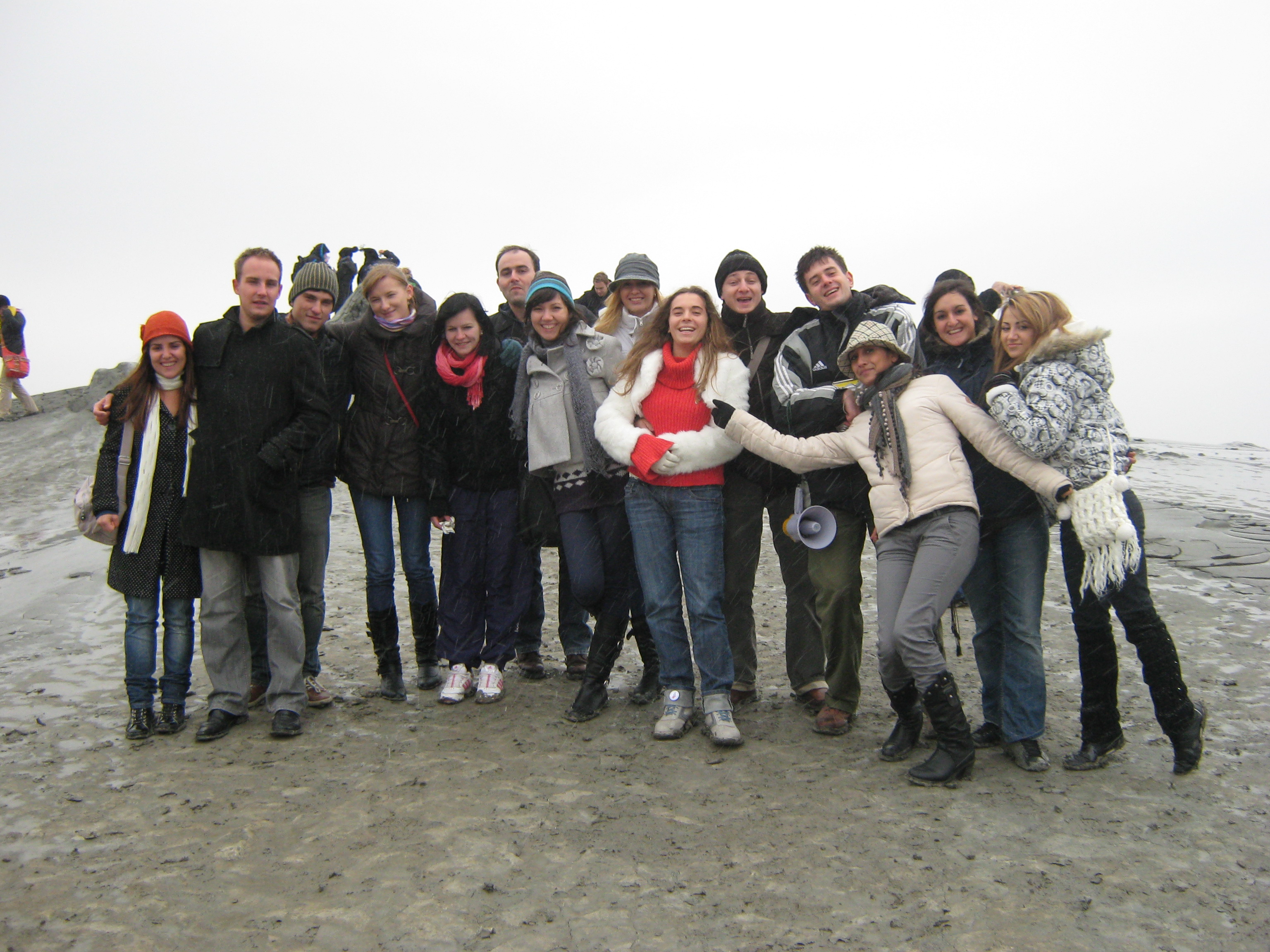
The project took place from 1 to 8 October 2009 in Sărata Monteoru, Romania. The beneficiaries were 26 young people from France, Spain, Lithuania, Slovakia, Portugal, Estonia, Czech Republic, Poland, Malta, Bulgaria, Turkey and Sweden. They discussed problems of youth training and non-formal education, made plans for future projects and developed about 26 ideas for future projects with partners they met during the project.
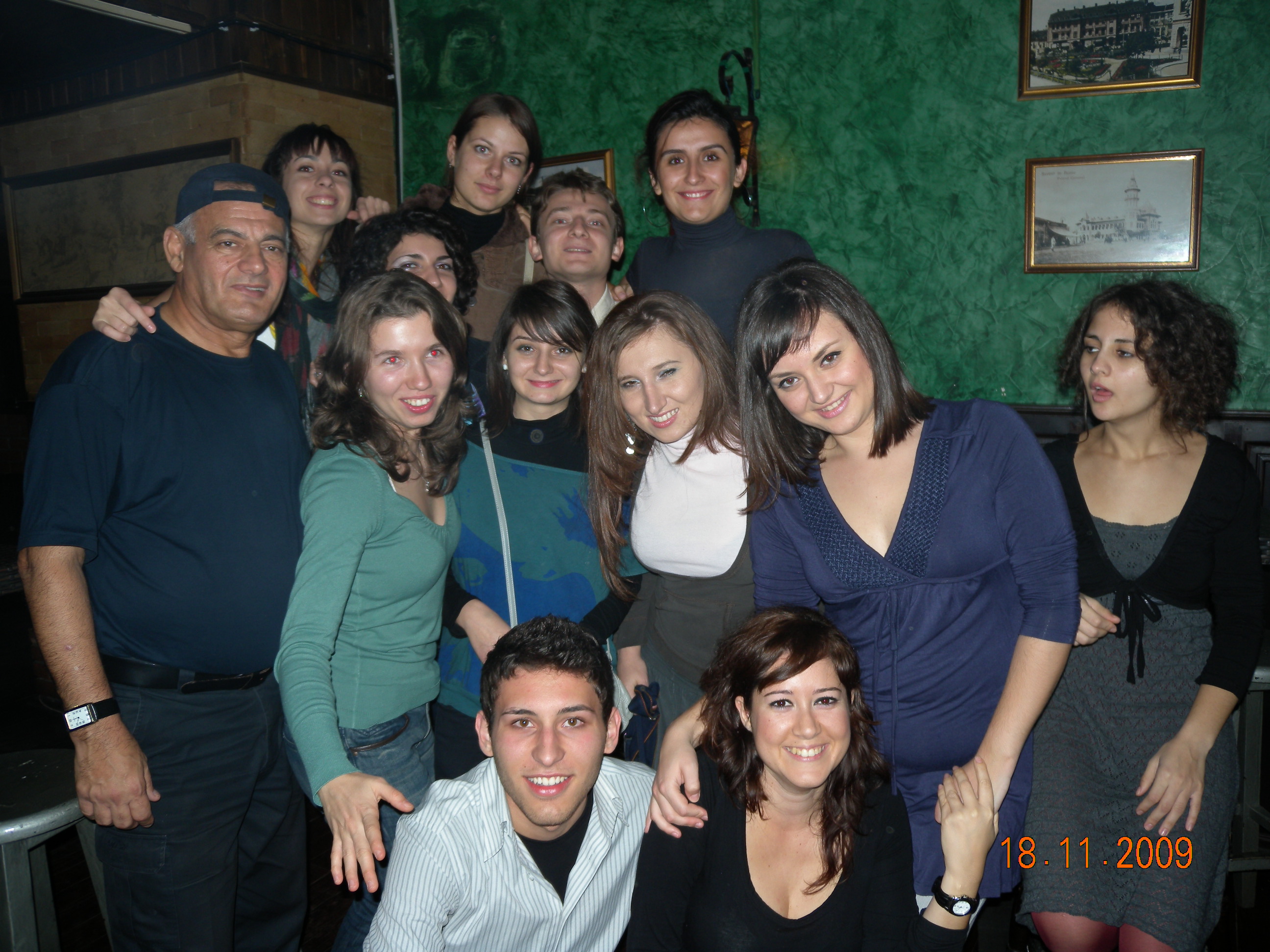
It was a training-of-trainers course and a follow-up to the project Comunic. It took place in Sărata Monteoru, Romania, on 16–22 October 2009 and involved 24 participants from Macedonia, Turkey, Germany, Lithuania, Spain, Serbia, Romania and Malta.
The aim was to give participants the knowledge to prepare new projects under the Youth in Action programme and the means to improve the quality of non-formal education. An important part of the learning process was living together with people from different cultures, which allowed participants to exchange their experiences and learn how to be better trainers in the field of intercultural dialogue.
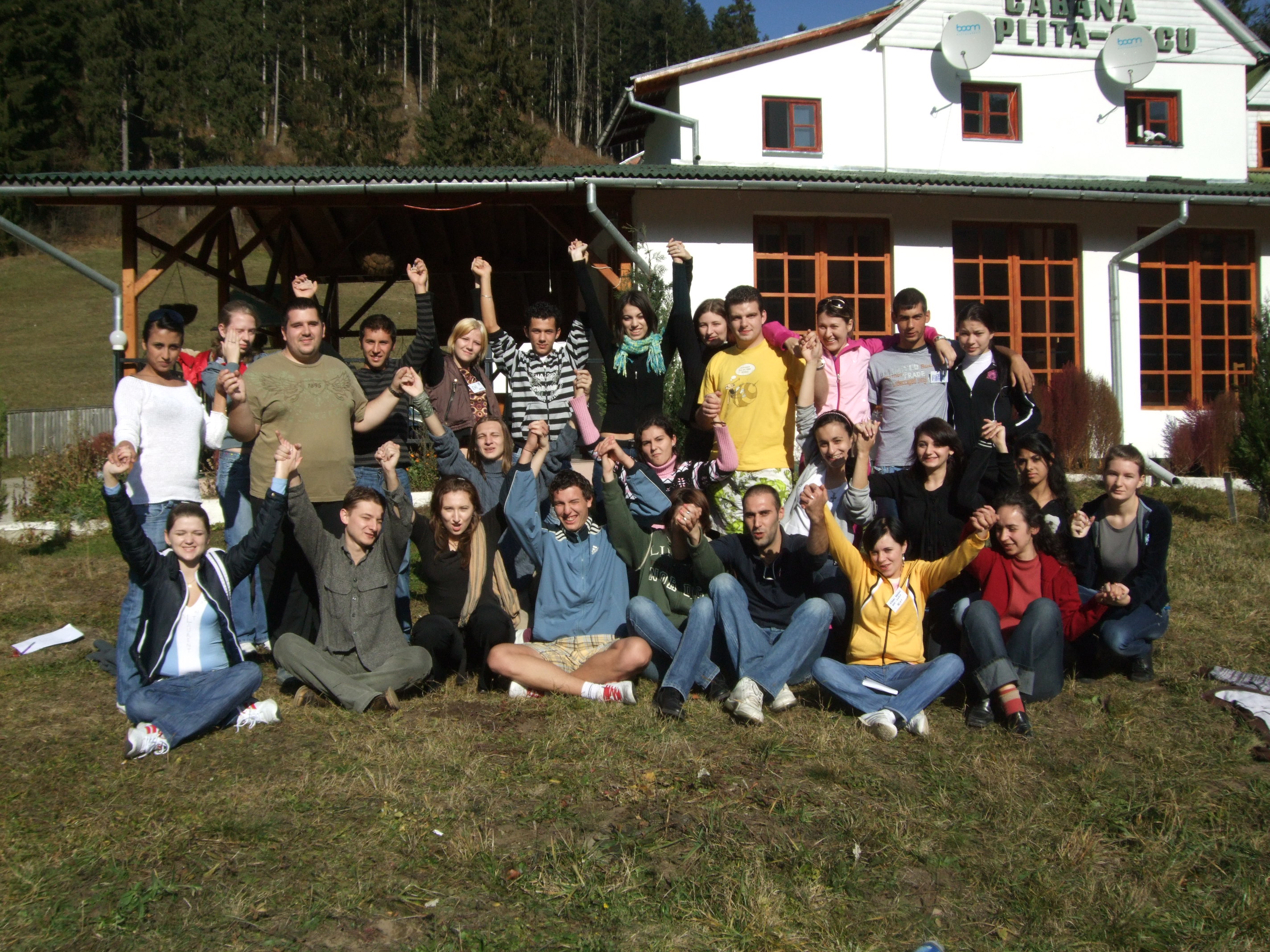
Comunic was a project about intercultural communication that took place from August 2008 to March 2009 during the Year of Intercultural Dialogue (2009). It involved 25 young people from 12 ethnic groups from Romania (Romanians, Roma, Hungarians, Greeks, Székelys, Germans, Armenians, Turks, Lipovans, Jews, Slovaks and Bulgarians) and took place in four cities: Timișoara, Sibiu, Toplița and Bucharest.
The main goal was to develop communication abilities in an intercultural context by increasing tolerance towards other ethnic groups and developing fundraising and project management abilities on the topic of intercultural communication.
The budget was €13,000, and the project was co-financed by several partners, the most important of which was the Hellenic Union of Romania.

Pro-Activ took place from April 2007 to April 2008 in Bucharest and was a cocktail of training activities and volunteering. The project aimed to train 10 experts in one year to increase the capacity of absorption of European funds in Romania. It involved training sessions twice a month, networking activities, hands-on training (direct involvement in CADDRU projects), mentoring and coaching, research and development activities.